You love your kitchen. You spend mornings there with coffee, weekends there with family, and more hours than you can count cooking, cleaning, and living life in that space. So when your cabinets start looking tired, it makes sense that you want to fix them. But before you call professional cabinet painters, you need to hear something most painting companies won’t tell you: not every set of cabinets should be painted. There are real, practical situations when not to paint cabinets is actually the smarter move for your home and your wallet.
That might sound strange coming from a painting company. Why would we talk you out of a job? Because we believe you deserve honest answers before you spend thousands of dollars. And the truth is, painting the wrong cabinets leads to peeling, chipping, and frustration that nobody wants to deal with six months from now.
Key Takeaways:
- Not all cabinet materials hold paint well. Thermofoil, laminate, and certain composite materials can cause paint to peel and chip within months.
- Cabinets with heavy damage may need replacing, not painting. Water damage, warping, and structural issues won’t disappear under a coat of paint.
- Boulder’s dry climate affects how paint cures and bonds. Low humidity and altitude can change how paint performs on certain surfaces.
- Painting is a great investment when the conditions are right. Solid wood and quality plywood cabinets respond well to professional painting.
- A trustworthy company will tell you the truth. The right painting team will walk away from a job that won’t deliver lasting results for you.
Your Cabinets Are Made of the Wrong Material
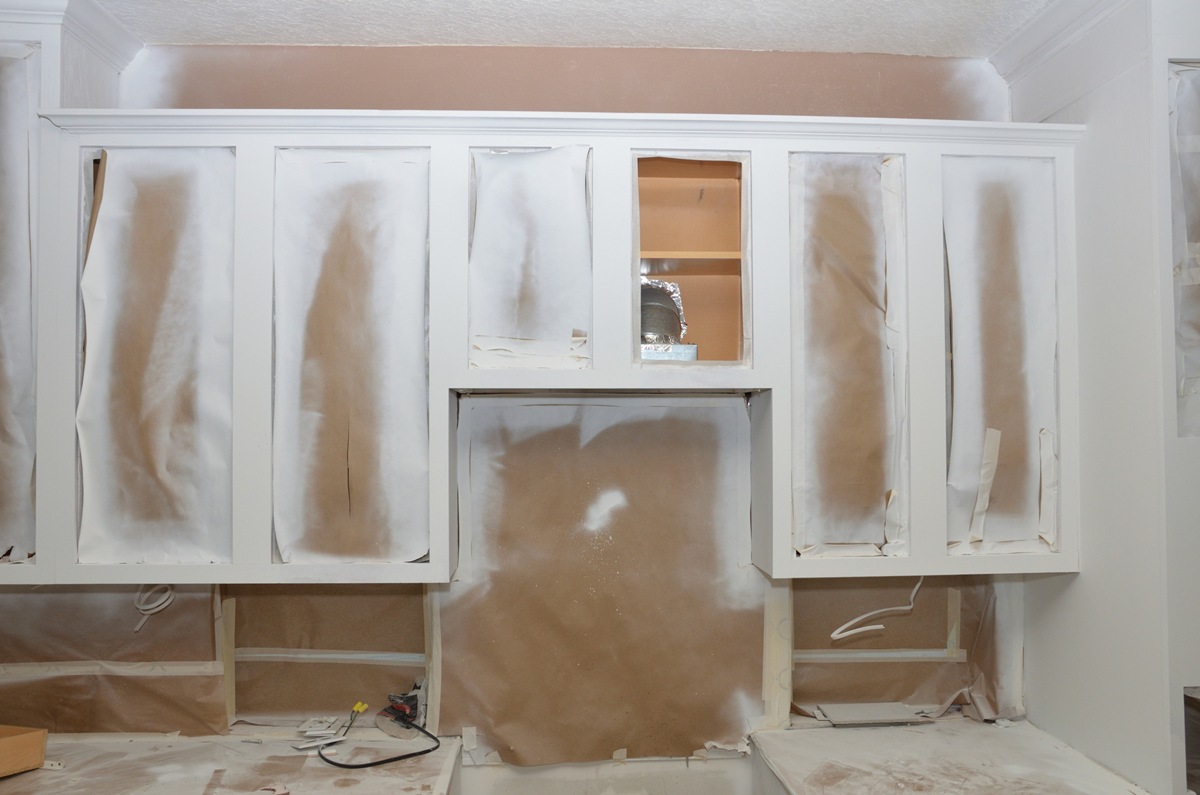
This is the number one reason when not to paint cabinets comes into play. Not all cabinet materials are created equal, and some of them fight paint every step of the way.
Thermofoil cabinets are one of the biggest offenders. These cabinets have a vinyl coating wrapped around a medium-density fiberboard (MDF) core. That vinyl layer creates a surface that paint struggles to grip, even with proper prep and primer. Within a few months, you’ll often see bubbling, peeling, or cracking. The heat from your oven and dishwasher makes things worse, causing the thermofoil to separate from the MDF underneath.
Laminate cabinets are another tricky surface. While some professional cabinet painters have success with laminate when using specialty bonding primers, the results are rarely as long-lasting as paint on solid wood. The slick, non-porous surface of laminate doesn’t give paint much to hold onto.
Low-quality particle board is a third red flag. If your cabinets are made of cheap particle board, they may already be swelling at the joints or crumbling near the hinges. Painting over particle board that’s starting to break down is like putting a fresh coat of paint on a wall that’s caving in. It might look good for a week, but the problems underneath will show through fast.
If you’re not sure what your cabinets are made of, a reputable painting company will be happy to take a look and give you an honest answer. That inspection alone can save you thousands of dollars.
There’s Already Significant Water Damage or Warping
Kitchens and bathrooms are wet environments. Over time, steam, splashes, and leaks can do real damage to your cabinets. This is especially true for cabinets under the sink, near the dishwasher, or close to a window where condensation builds up.
When water gets into cabinet material, it causes swelling, warping, and soft spots. Paint won’t fix any of that. If you run your hand along the bottom of a cabinet door and feel bumps, bubbles, or soft areas, that’s moisture damage. And when not to paint cabinets becomes a clear answer when that kind of damage is present.
In Boulder, CO, the dry air can be misleading. You might think your cabinets are fine because the climate is so arid. But Boulder homeowners deal with a different kind of moisture problem. Rapid temperature swings between day and night cause condensation inside cabinets, especially in older homes with less insulation. That condensation builds up slowly and causes damage you might not notice until a professional cabinet painters team gets a close look.
Painting over water-damaged cabinets creates a short-term fix and a long-term headache. The paint will eventually bubble and peel as the moisture underneath works its way through. The honest answer here is usually repair or replacement, not a new paint job.
The Cabinet Boxes Are Structurally Unsound
Cabinet doors get all the attention, but the boxes behind them do all the heavy lifting. If your cabinet boxes are falling apart, loose, or pulling away from the wall, painting won’t solve the problem.
Signs that your cabinet boxes are in trouble include:
- Shelves that sag or bow under normal weight
- Drawer slides that no longer function because the box has shifted
- Visible gaps between the cabinet box and the wall
- Soft or crumbling material around screw holes and hinge mounts
When the structure is compromised, professional cabinet painters will tell you that painting is not the right call. You’d be spending money on a cosmetic upgrade while the foundation underneath continues to fail. A better investment at that point is a full cabinet replacement or at least a partial rebuild of the damaged sections.
You’re Trying to Cover Up a Deeper Problem
Here’s something a lot of homeowners don’t want to hear: sometimes the urge to paint your cabinets is really about avoiding a bigger kitchen renovation. And that’s okay. Kitchen remodels are expensive and disruptive. Nobody is excited about ripping out cabinets and living without a functioning kitchen for weeks.
But if your cabinets are 30 or 40 years old, if the layout doesn’t work for how you use the kitchen, or if the cabinets are too small or poorly configured for modern appliances, painting them is a band-aid, not a solution.
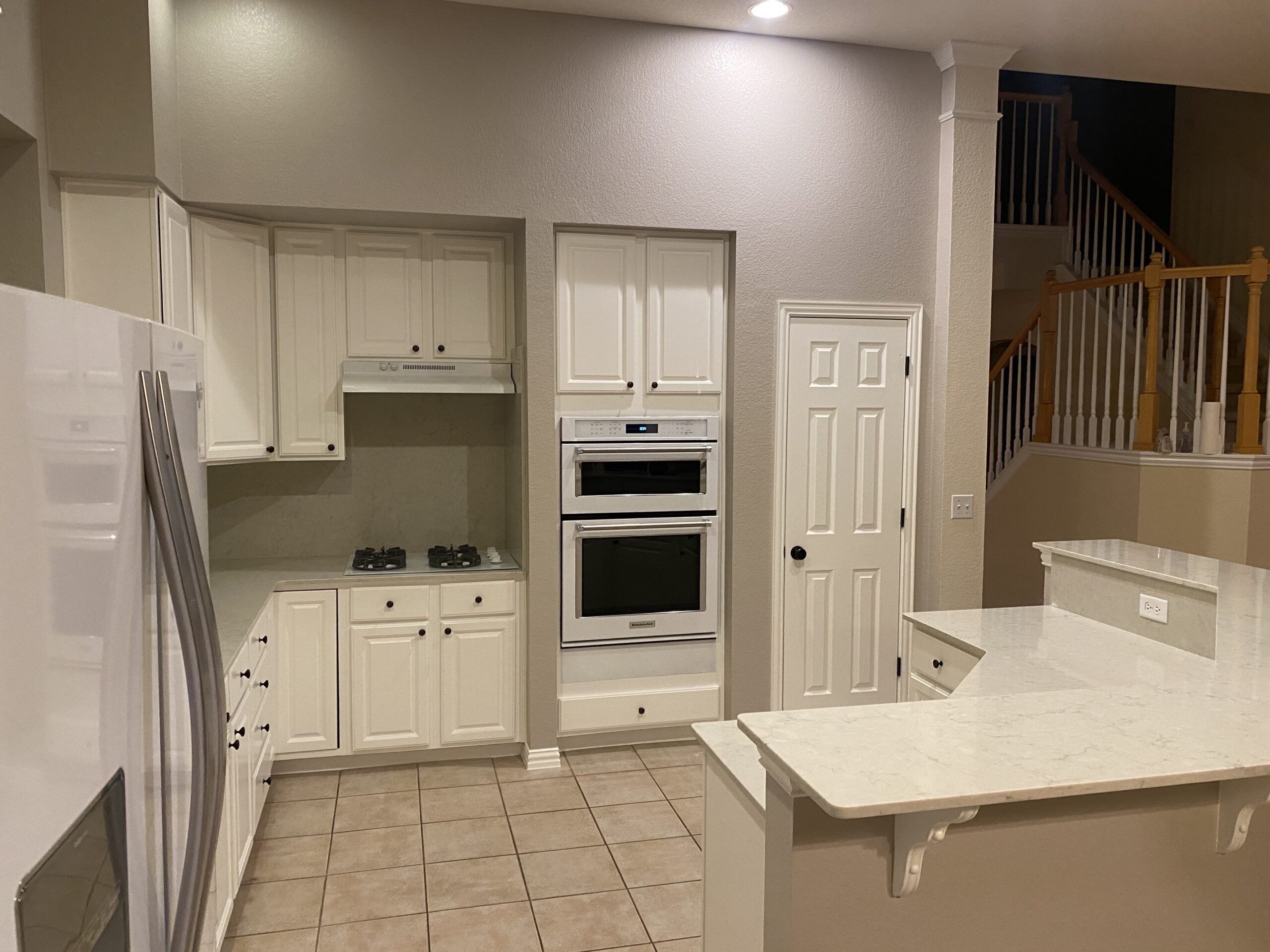
A fresh coat of paint can absolutely bring cabinets back to life when the bones are good. That’s when not to paint cabinets becomes “yes, paint them and love the result.” But when the bones are bad, painting just delays the bigger decision. And sometimes, it costs more in the long run because you end up paying for both the paint job and the renovation.
Boulder’s Climate Creates Unique Challenges
If you live in Boulder, you already know the weather here is its own animal. The altitude, the dry air, the intense UV exposure, and those wild temperature swings all affect how paint performs.
At Boulder’s elevation of around 5,400 feet, paint dries faster than it does at sea level. That sounds like a good thing, but it actually creates problems. Paint that dries too fast doesn’t have enough time to level out and bond properly to the surface. This can lead to brush marks, uneven coverage, and adhesion issues down the road.
The low humidity in Boulder also means that certain primers and paints don’t cure the way they would in a more humid climate. Professional cabinet painters who work in the Boulder area know how to adjust their process for these conditions. They use specific products, adjust dry times, and control the environment during application to get lasting results.
If someone offers to paint your cabinets without mentioning any of this, that’s a red flag. A qualified team will talk openly about how Boulder’s climate affects the work and what they do to account for it.
When Painting Your Cabinets IS the Right Move
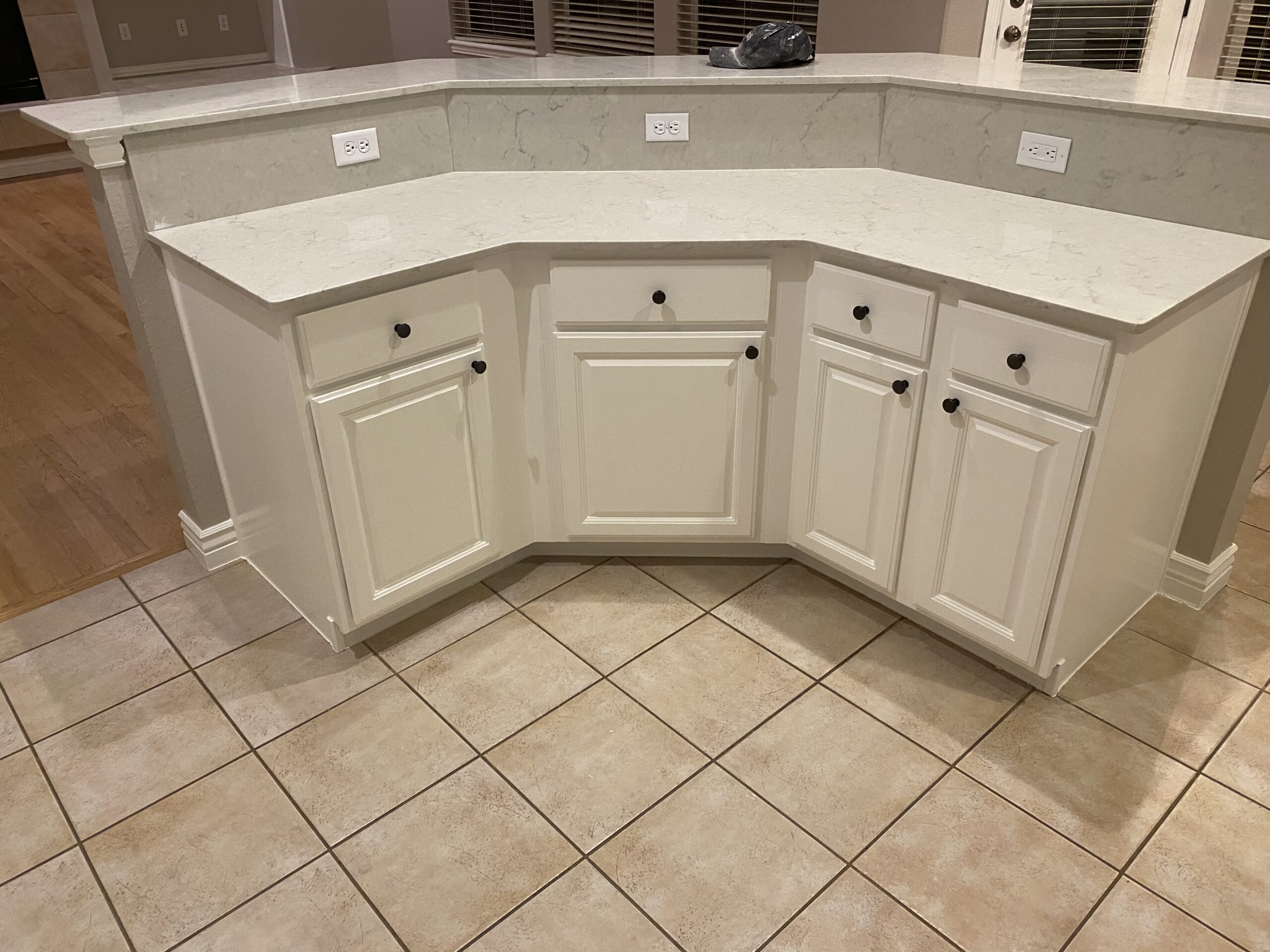
After all of that, let’s be clear about something: cabinet painting is one of the best home improvement investments you can make when the conditions are right.
If your cabinets are made of solid wood like oak, maple, cherry, or birch, they’re built to accept and hold paint. These materials allow for proper sanding, priming, and topcoat adhesion, which means the paint job will look great and last for years.
High-quality plywood cabinets are another strong candidate for painting. Plywood holds up well over time, resists warping better than solid wood in some cases, and takes paint beautifully when prepped correctly.
When not to paint cabinets is a question with a simple answer: if the material is right, the structure is sound, and the prep work is done properly, painting your cabinets is one of the most cost-effective ways to give your kitchen a completely new look. You can go from dated honey oak to a clean, modern white or a bold, statement color for a fraction of what a full cabinet replacement would cost.
The difference between a painting project that lasts and one that fails almost always comes down to the preparation. Professional cabinet painters spend more time prepping than they do painting. Proper cleaning, degreasing, sanding, priming, and applying the right topcoat in the right conditions is what separates a two-year paint job from a ten-year paint job.
How to Know if Your Cabinets Are a Good Fit
Knowing when not to paint cabinets is half the battle. If you’re still not sure whether your cabinets are good candidates, here’s a simple checklist you can run through before calling anyone:
- Check the material. Open a cabinet door and look at the inside edge. Solid wood will show a consistent grain pattern. Plywood will show layers. Particle board will look like compressed sawdust. Thermofoil will have a smooth, plasticky feel with visible seams where the vinyl wraps around edges.
- Look for damage. Check under the sink, around the dishwasher, and near any windows. Feel for soft spots, look for discoloration, and check if any doors are warped or don’t close properly.
- Test the structure. Open and close all doors and drawers. Do the hinges hold firm? Do the drawers slide smoothly? Are the shelves level? If things are loose, wobbly, or sagging, the structure may need work before painting makes sense.
- Consider the age. Cabinets that are 10 to 20 years old with solid construction are often perfect candidates. Cabinets that are 30 or more years old may need a closer look to determine if painting will deliver the value you’re after.
When you’re honest with yourself about the condition of your cabinets, you set yourself up for a result you’ll actually love. And that’s what this whole conversation is about: helping you make the right decision for your home and your budget.
A Company That Tells You the Truth Is Worth Calling
Most painting companies will say yes to any job because every job is revenue. But the ones worth hiring are the ones willing to look at your cabinets and say, “These aren’t a good fit for painting. Here’s what we’d recommend instead.”
That kind of honesty is rare. And it’s exactly what you should expect from professional cabinet painters who care more about your results than their bottom line.
When not to paint cabinets isn’t a message designed to scare you away from a cabinet painting project. It’s designed to arm you with the facts so you can make a confident decision. The right painting team will celebrate when your cabinets are perfect for painting, and they’ll tell you the truth when they’re not.
Your kitchen is the heart of your Boulder home. It deserves the right solution, not just the fastest one. If you’re thinking about painting your cabinets and want an honest answer about whether it’s the right move, give Elements Painting Inc. a call at 719-824-4980″>719-824-4980. We’ll take a look at your cabinets, tell you exactly what we see, and help you decide on the best path forward. No pressure, no sales pitch, just the truth about what will work and what won’t.