
You’ve picked out the perfect color. You can already see how amazing your room will look. But here’s the thing most interior house painters know that homeowners don’t: the paint itself is only half the battle. What happens before the brush ever touches the wall determines whether your project turns out like a magazine cover or a frustrating mess. Learning the best way to prep walls for painting is the single most important step you can take to get professional-looking results.
Skip the prep work, and you’ll end up with peeling, bubbling, or uneven paint within months. Do it right, and your walls will look flawless for years.
Key Takeaways:
- Surface prep determines 90% of your final results — paint can only look as good as the surface underneath it.
- Cleaning walls removes invisible barriers — dust, oils, and grime prevent paint from bonding properly.
- Filling holes and cracks prevents future problems — small imperfections become big eyesores under fresh paint.
- Sanding creates the “tooth” paint needs — a lightly scuffed surface helps new paint grip and stay put.
- Priming is non-negotiable in many situations — it blocks stains, seals repairs, and creates a uniform base.
- Taping protects the details — clean paint lines at trim, ceilings, and windows make the difference between amateur and professional results.
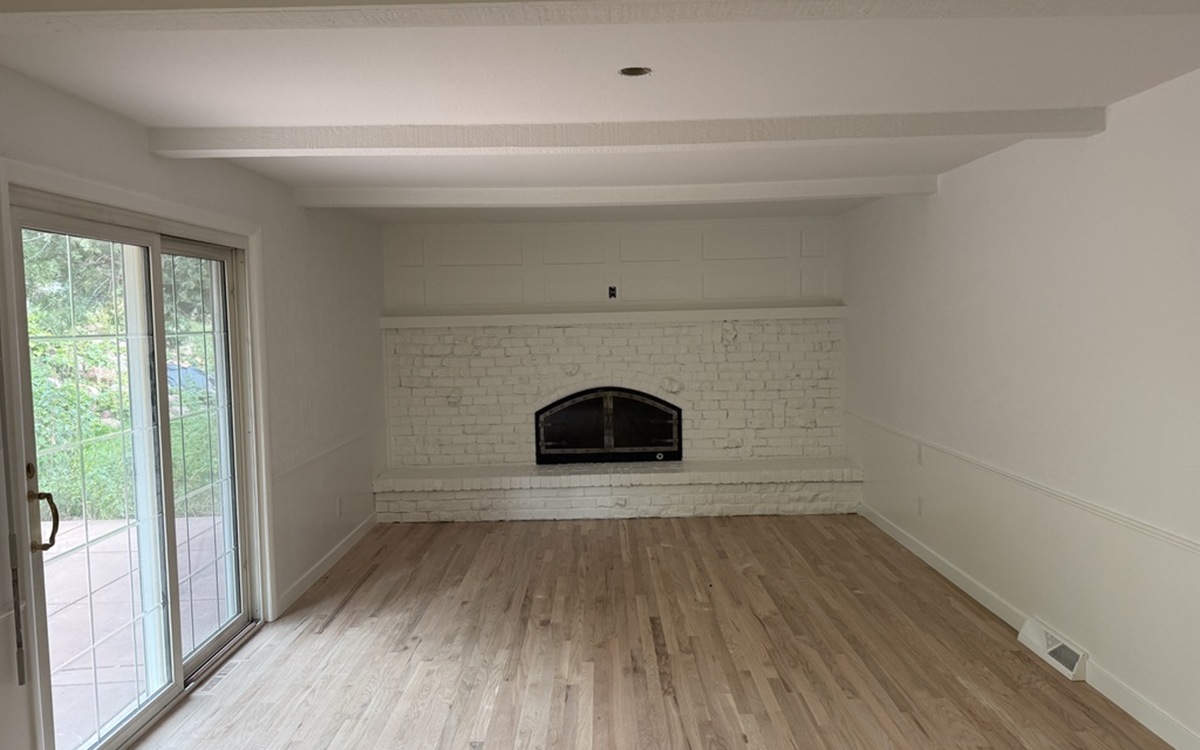
Why Prep Work Makes or Breaks Your Paint Job
Think about painting your walls like baking a cake. You could buy the most expensive ingredients and follow the recipe perfectly. But if you put that batter in a dirty, greasy pan? Disaster.
Your walls work the same way. Paint needs a clean, smooth, properly sealed surface to stick to. When you skip prep steps, you’re basically asking paint to bond to dust, oils from your hands, old caulk, and all the grime that’s built up over the years.
The result? Paint that peels. Paint that looks blotchy. Paint that shows every single bump and crack you thought you could cover up.
Here’s the reality: professional painters spend more time prepping than actually painting. That’s not because they enjoy sanding and spackling. It’s because they know that prep work is where quality comes from.
Step 1: Clear the Room and Protect What Stays
Before you touch a single wall, get everything out of the way. Move furniture to the center of the room and cover it with drop cloths or plastic sheeting. Remove outlet covers, light switch plates, and any wall-mounted fixtures.
Take down curtain rods, artwork, and shelves. The more you remove now, the less time you’ll spend working around obstacles later.
Cover your floors with canvas drop cloths. Plastic sheeting is cheaper, but it’s slippery and doesn’t absorb drips well. Canvas stays in place and catches spills without sending you sliding across the room.
Step 2: Clean Your Walls Thoroughly
This step trips up a lot of homeowners. Your walls look clean, so why bother washing them?
Because invisible problems cause visible failures.
Even walls that look spotless are covered in a thin layer of dust, cooking grease, and oils from hands. In bathrooms and kitchens, you’re also dealing with soap residue and moisture buildup. All of this creates a barrier between the wall surface and your new paint.
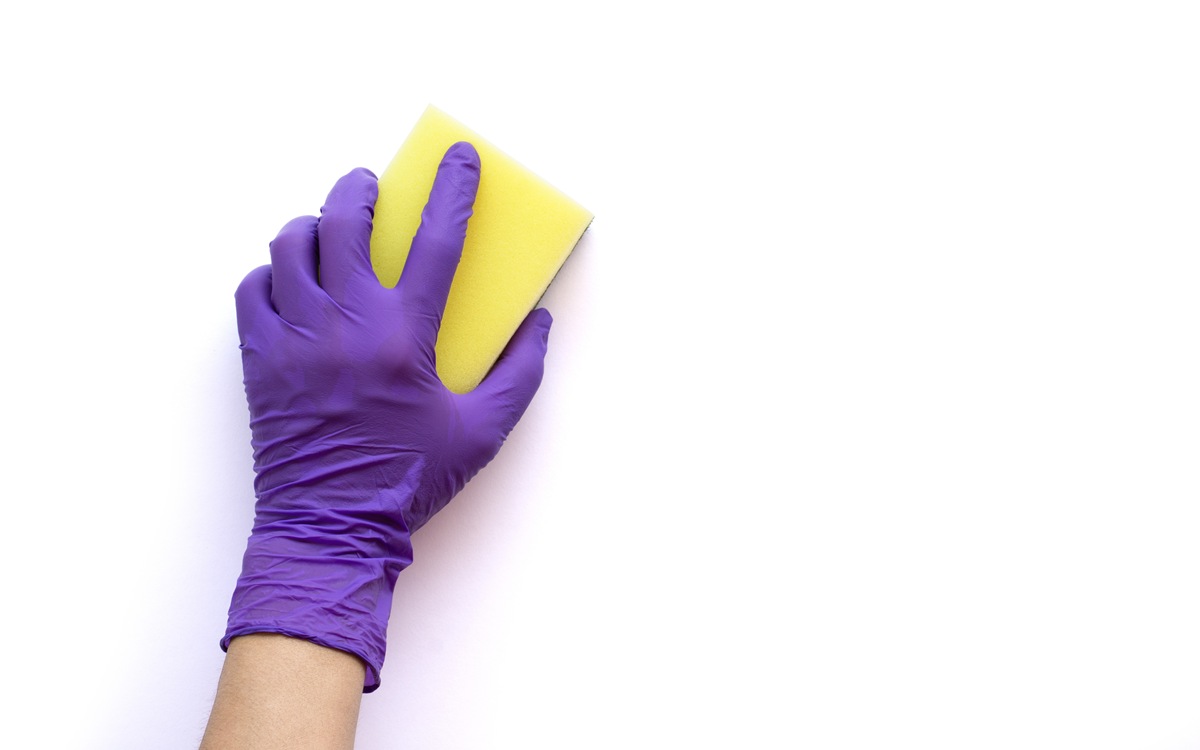
Mix a solution of warm water with a few drops of dish soap. Use a sponge or soft cloth to wipe down all the walls, working from the top down. For kitchens or areas near stoves, you may need a degreasing cleaner.
After washing, go over the walls again with clean water to remove any soap residue. Let everything dry completely before moving on. Painting over damp walls creates all kinds of problems you don’t want to deal with.
Step 3: Inspect and Repair Every Imperfection
Now comes the detective work. Walk around the room and look at your walls with fresh eyes. Look for:
- Nail holes and picture hangers
- Cracks along corners or near windows
- Dents and dings from furniture
- Peeling or flaking paint
- Bubbles in the existing finish
For small holes and dents, use lightweight spackling compound. Apply it with a putty knife, pressing the compound into the hole and scraping away the excess. Let it dry according to the package directions.
For larger holes or deeper cracks, you may need joint compound and mesh tape. Apply a thin layer of compound, press the tape into it, then add another thin layer on top. Multiple thin layers work better than one thick layer.
Peeling paint needs to be scraped away completely. Use a paint scraper to remove any loose or flaking material, then feather the edges with sandpaper so the repair blends in smoothly.
Step 4: Sand for a Smooth, Paint-Ready Surface
Sanding isn’t just for repairs. Even walls in good shape benefit from a light scuff before painting.
Here’s why: paint sticks better to surfaces with a slight texture. A completely smooth, glossy surface gives paint nothing to grip. Light sanding creates tiny scratches that help the new paint bond.
Use fine-grit sandpaper (180 to 220 grit) and work in circular motions. You’re not trying to remove material — just roughen the surface slightly. Pay extra attention to any patched areas to smooth them out.
After sanding, wipe down all the walls with a damp cloth or tack cloth to remove the dust. Any dust left behind will end up trapped under your paint.
Step 5: Apply Primer Where Needed
Not every paint job requires primer. But many do, and skipping it when you need it leads to disappointing results.
You need primer if:
- You’re painting over bare drywall or new patches
- You’re making a dramatic color change (especially light over dark)
- You’re covering stains, watermarks, or smoke damage
- The existing paint is glossy or oil-based
- The walls have never been primed before
Primer does three important jobs. It seals porous surfaces so paint applies evenly. It blocks stains from bleeding through your fresh paint. And it creates a uniform base color so you don’t need as many coats of your finish paint.
Apply primer with a roller, just like paint. Let it dry completely before adding your color coats.
Step 6: Tape and Protect Trim, Ceilings, and Windows
The difference between a professional paint job and an amateur one often comes down to the edges. Clean, crisp lines where walls meet trim, ceilings, and windows make everything look polished.
Use painter’s tape along all the edges you want to protect. Press the tape down firmly, especially along the edge where paint will go. Any gaps let paint seep underneath.
Here’s a pro tip: remove the tape while the paint is still slightly tacky. If you wait until it’s fully cured, you risk pulling off chips of paint along with the tape.
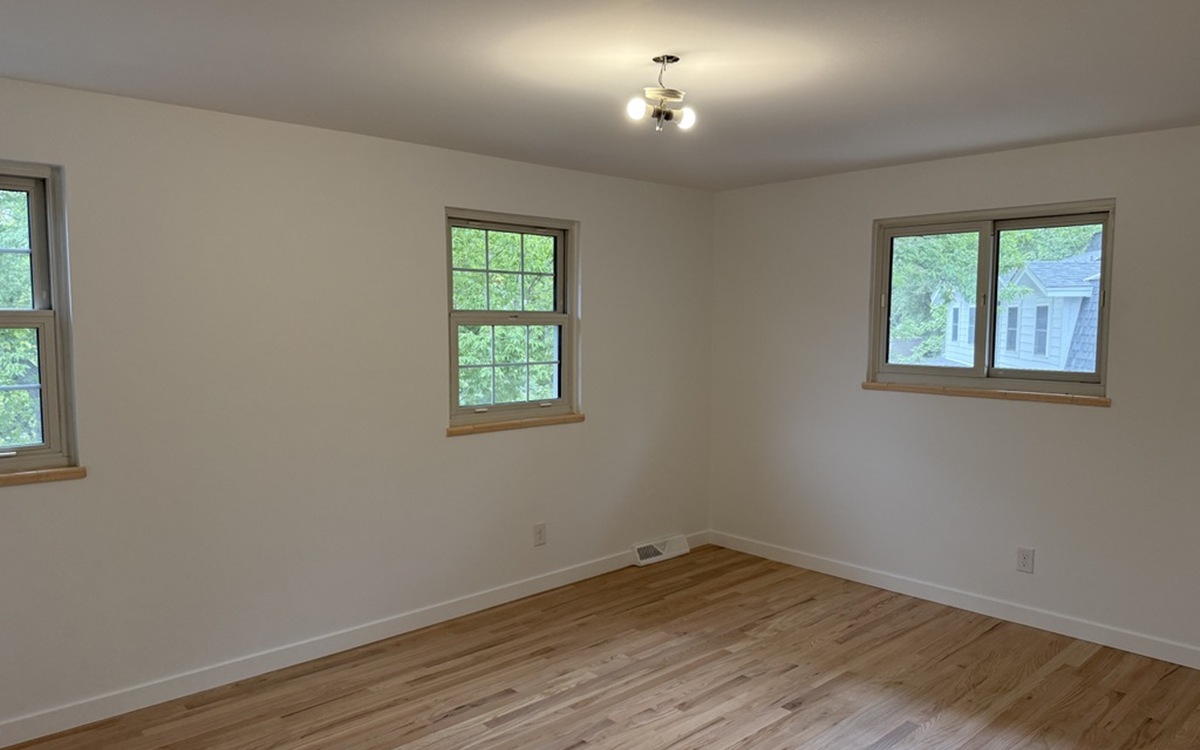
The Best Way to Prep Walls for Painting: A Quick Checklist
Let’s put it all together. Before you open a single can of paint:
- Clear the room and cover floors with canvas drop cloths.
- Remove outlet covers, switch plates, and fixtures.
- Wash walls with mild soap and water, then rinse.
- Allow walls to dry completely.
- Fill holes and cracks with spackling or joint compound.
- Scrape any peeling or flaking paint.
- Sand patched areas and lightly scuff glossy surfaces.
- Wipe away all dust with a damp cloth.
- Apply primer to bare surfaces, stains, or dramatic color changes.
- Tape off trim, ceilings, and windows.
When to Call in a Professional
You can absolutely handle wall prep yourself. It takes time and attention to detail, but it’s not complicated work.
That said, some situations call for professional help:
- Lead paint is present (in homes built before 1978)
- Extensive water damage or mold issues
- Major drywall repairs or replacement
- Very high ceilings or difficult-to-reach areas
- Limited time or physical limitations
Professional painters don’t just bring better tools. They bring experience that helps them spot problems and prevent mistakes before they happen.
Your Walls Are Ready — Now What?
You’ve put in the work. Your walls are clean, smooth, patched, and primed. Now comes the fun part: watching that beautiful new color go up.
Because you took the time to prep properly, your paint will go on smoother, look better, and last longer. You won’t be dealing with peeling, bubbling, or uneven coverage a few months from now. You’ll have walls you’re actually proud of.
Want professional results without the hassle? The team at Elements Painting Inc. knows the best way to prep walls for painting inside out. From careful surface preparation to flawless final coats, we handle every step so you can enjoy beautiful walls without spending your weekend sanding and spackling.
Call 719-824-4980 today to schedule your free estimate. Let’s talk about your project and show you why proper prep work makes all the difference.