
You’ve picked out the perfect paint color. You’ve chosen beautiful new floors. Now comes the question that stops most renovation projects in their tracks: which one do you do first? Interior house painting and new flooring are two of the biggest upgrades you can make to your home. Getting the order wrong can mean costly touch-ups, damaged materials, and weeks of frustration. Here’s the good news: there’s a clear answer. Painting before flooring installation is almost always the smarter choice—and we’ll show you exactly why.
Key Takeaways:
- Paint first, then install flooring to protect your new floors from drips and spills
- Painting before floors means faster prep work and cleaner results
- You’ll save money by avoiding floor repairs caused by paint damage
- Professional painters can work more efficiently without flooring in place
- Minor touch-ups after flooring installation are normal and expected
Why Order Matters in Your Renovation
When you’re planning a room makeover, the order of operations can make or break your budget. Many homeowners assume they can do things in any order. But experienced contractors know that painting before floors go in saves time, money, and headaches.
Think about it this way: paint drips. Even the most careful painter can have a mishap. If your brand-new hardwood or luxury vinyl plank flooring is already installed, one stray drop can mean a permanent stain. Or worse—damage that requires replacement.
The Case for Painting Before Flooring Installation
Let’s break down why painting first makes sense for most renovation projects.
No Floor Protection Needed
When you paint before the floors are in, you don’t need to spend hours laying down drop cloths, plastic sheeting, and tape. The subfloor can handle drips and spills. This means painters can move faster and focus on getting your walls looking perfect.
Easier Access to Edges and Corners
Without flooring in place, painters can get their brushes and rollers right down to the bottom of the wall. This means cleaner lines and better coverage where the wall meets the floor. Once your new flooring goes in, the baseboards will cover any rough edges.
No Risk of Floor Damage
New hardwood floors can cost $6 to $12 per square foot. Luxury vinyl plank runs $2 to $7 per square foot. Carpet varies widely. No matter what flooring you choose, it’s an investment. Painting before the floors go in removes any risk of damaging that investment with paint splatters, ladder scratches, or equipment marks.
Baseboards Get Painted Right
If you’re replacing baseboards as part of your project, painting them before flooring installation is much easier. Painters can prime and paint the baseboards flat on sawhorses. Once the floors are in, the baseboards get installed and just need minor touch-ups at the nail holes.
What About Touch-Ups After Flooring?
Here’s something most contractors won’t tell you upfront: you’ll almost always need some touch-up work after the flooring goes in. And that’s okay.
Flooring installers often scuff walls while working. Baseboards need caulking and nail hole filling. These small touch-ups are normal and expected. A good painting contractor will plan for this from the start.
The touch-up work after flooring takes a fraction of the time compared to protecting floors during a full paint job. We’re talking an hour or two versus a full day of prep work.
When Should You Paint After Flooring?
While painting first is the general rule, there are a few situations where painting after flooring makes more sense:
- You’re only painting, not replacing floors: If your floors are staying and you’re just refreshing the paint, then obviously you’ll paint with the existing floors in place.
- The flooring is already installed: If you bought a home with new floors but dated paint, you’ll work with what you have.
- Specialty flooring with long cure times: Some epoxy or concrete coatings need weeks to cure. In these cases, the timeline might require painting after.
For most standard renovation projects where you’re doing both painting and flooring, paint first.
The Right Order for Your Renovation Project
If you’re doing a full room renovation, here’s a sequence that works well:
- Remove old flooring and baseboards
- Make any wall repairs (patch holes, fix drywall damage)
- Prime the walls if needed
- Paint the ceilings
- Paint the walls (two coats for best results)
- Prime and paint new baseboards (off-site if possible)
- Install new flooring
- Install baseboards
- Caulk baseboards and fill nail holes
- Touch up paint as needed
This order keeps each trade focused on their work without stepping on each other’s toes. Painters finish their main work before flooring installers arrive. Then painters come back for quick touch-ups once everything is installed.
What Flooring Type Are You Installing?
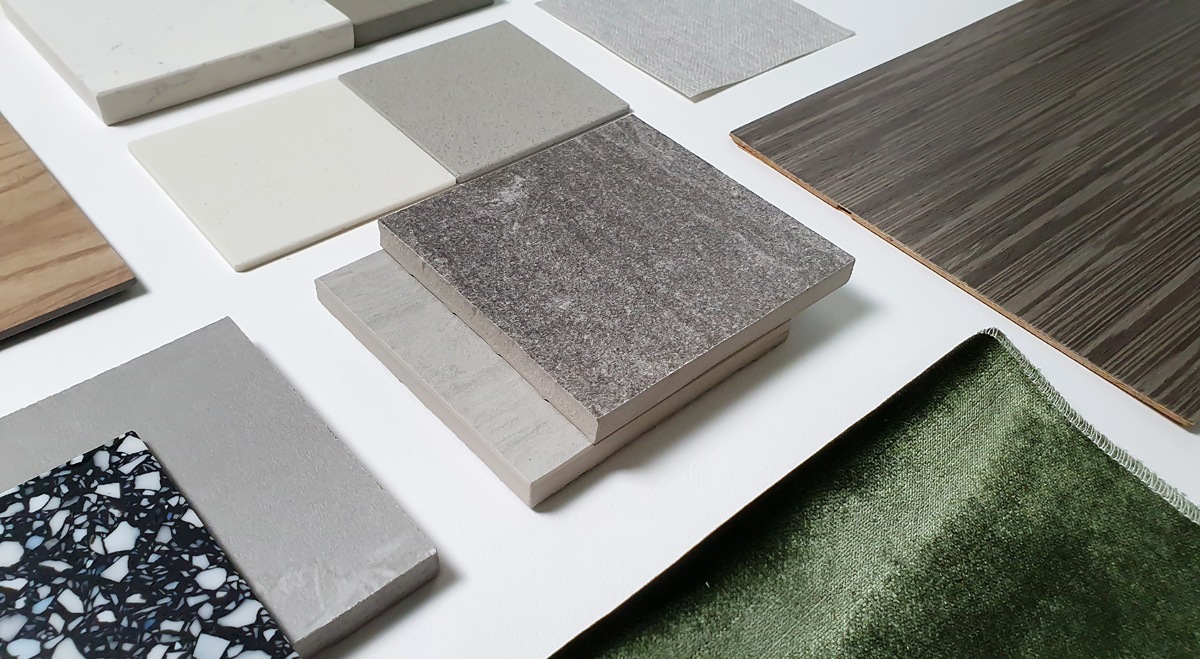
The type of flooring you choose can affect the timing slightly.
Hardwood Floors
Solid hardwood needs to acclimate to your home’s humidity for several days before installation. This gives you a natural window to get the painting done. Once installed, hardwood is sensitive to moisture and scratches—another reason to have painting done first.
Luxury Vinyl Plank (LVP)
LVP is more forgiving than hardwood, but it can still be scratched by ladders and equipment. Paint drips on LVP can sometimes be wiped up if caught quickly, but dried paint often leaves marks. Paint first to avoid the stress.
Tile
Tile is the most durable option when it comes to paint mishaps. Dried paint can often be scraped off tile without damage. Still, grout lines can absorb paint and become discolored. Painting before tile installation remains the safer choice.
Carpet
Carpet and paint do not mix. Paint spilled on carpet is nearly impossible to fully remove. If you’re installing carpet, definitely complete all painting beforehand.
How Professional Painters Handle the Process
A professional painting crew will coordinate with your flooring installer to get the timing right. Good communication between trades prevents delays and keeps your project on track.
When you hire a pro, they’ll typically:
- Confirm the flooring installation date
- Schedule painting to wrap up a day or two before flooring begins
- Plan for a touch-up visit after baseboards are installed
- Protect any surfaces that are already finished
This coordination saves you the hassle of managing multiple schedules yourself.
Common Mistakes Homeowners Make
Even with the best intentions, homeowners sometimes create problems by getting the order wrong. Here are mistakes we see often:
Mistake 1: Installing Floors, Then Deciding to Paint
This leads to hours of floor protection work. Painters have to tape off every edge, lay drop cloths, and move carefully around your new investment. It takes longer and costs more.
Mistake 2: Painting the Ceiling After Flooring
Ceiling work is messy. Paint sprays, drips, and spatters more than wall work. If your floors are in, ceiling painting becomes a high-risk activity.
Mistake 3: Skipping the Touch-Up Visit
Some homeowners try to save money by not scheduling a touch-up visit after flooring. This leaves the job looking unfinished. Caulk lines, nail holes, and scuff marks are all visible without that final step.
Mistake 4: DIY Painting to Save Money on a Professional Flooring Job
There’s nothing wrong with DIY projects. But if you’re having professional flooring installed, consider having pros handle the painting too. The coordination and quality control make the extra cost worth it.
Saving Money By Getting the Order Right
Here’s where the math gets interesting. Painting before flooring installation can actually save you money on your total project.
- Less prep time: No floor protection means fewer labor hours
- No floor repairs: Zero risk of paint damage to new flooring
- Faster completion: Trades aren’t waiting on each other
- Better results: Painters can work without constraints
Homeowners who plan the order correctly often see their projects finish on time and on budget. Those who don’t plan sometimes end up paying for damaged floors, extended labor, or rework.
Your Home Deserves the Right Approach
You’ve worked hard to afford this renovation. You’ve spent hours picking colors and flooring samples. You deserve a finished product that looks amazing and lasts for years.
Getting the order right—painting before flooring—is one of the simplest ways to protect your investment. It’s not about cutting corners. It’s about working smarter.
Ready to Start Your Project?
When you’re ready to move forward with your interior painting project, Elements Painting Inc. is here to help. We work with homeowners every day who are planning renovations just like yours. We’ll coordinate with your flooring contractor to make sure everything goes smoothly.
No guesswork. No surprises. Just professional results that you’ll love coming home to.
Call 719-824-4980 today to schedule your free estimate. Let’s get your project done the right way—starting with the walls.