Property managers often ask whether professional exterior house painters really need to power wash first—or if maintenance teams can just handle it themselves. The short answer: pressure washing before painting exterior surfaces is one of the most important steps in any successful paint job.
If the surface isn’t clean, the paint simply won’t stick well. Dirt, mildew, chalky residue, and loose paint can all cause new paint to peel, bubble, or fail early. For property managers responsible for multiple units or buildings, skipping this step can turn a simple repaint into a costly redo.
So the real question becomes: Is there a difference between DIY pressure washing and professional prep before painting?
Let’s break it down.
Key Takeaways:
- Pressure washing before painting exterior surfaces removes dirt, mildew, and failing paint.
- Skipping proper washing can cause premature paint failure.
- DIY pressure washing can sometimes damage siding or force water behind surfaces.
- Professional prep often includes detergents, soft washing methods, and controlled pressure.
Why Pressure Washing Matters Before Painting
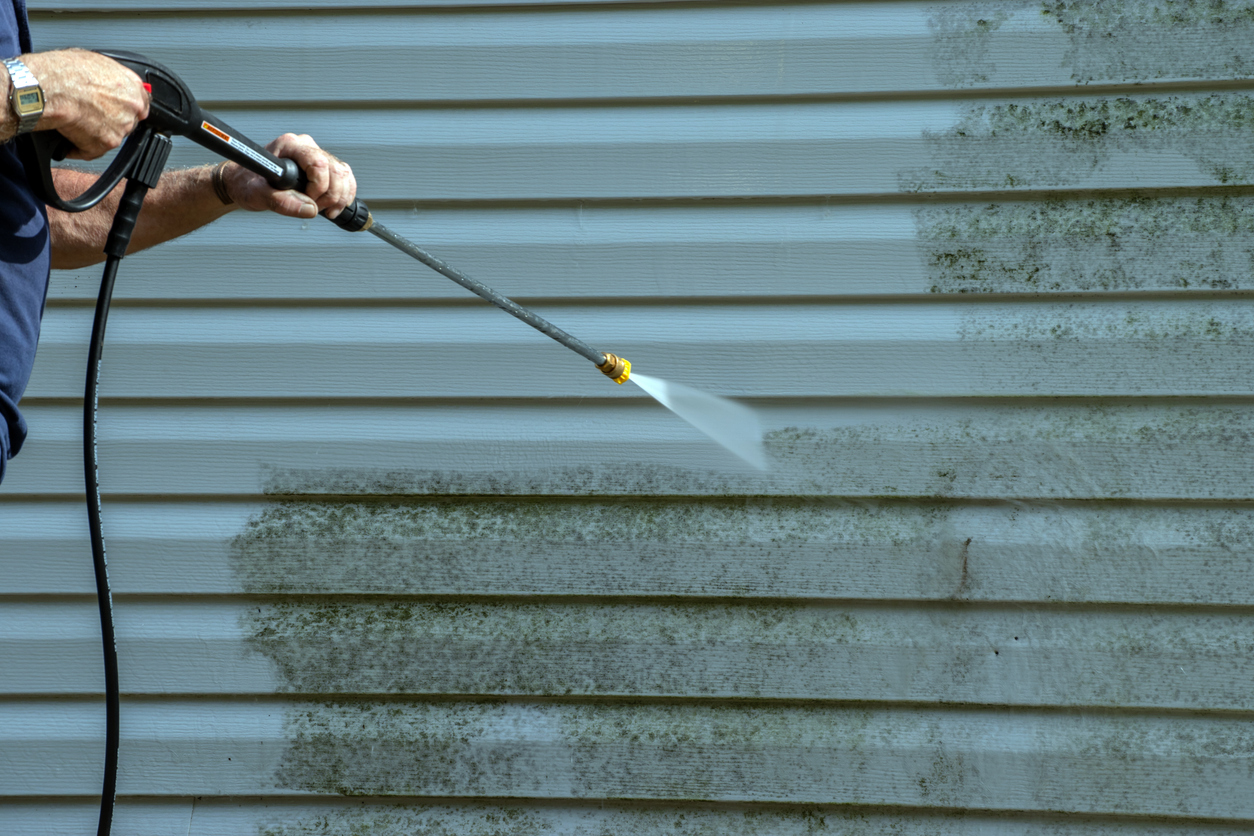
Exterior surfaces collect a lot of contaminants over time, including:
- Dirt and dust
- Mold and mildew
- Algae growth
- Chalky residue from old paint
- Pollen and pollution buildup
If painters apply paint over these contaminants, the coating will struggle to bond to the surface.
Think of paint like tape. If you stick tape to a dusty surface, it won’t hold well. The same principle applies to exterior paint.
Pressure washing before painting exterior surfaces ensures the new paint sticks directly to the material beneath, whether that’s:
- Wood siding
- Stucco
- Fiber cement
- Vinyl siding
- Masonry
For property managers responsible for maintaining curb appeal and property value, this step helps ensure the job lasts for years—not just a season.
What Happens If You Skip Pressure Washing?
Skipping surface cleaning is one of the most common causes of early paint failure.
Here’s what can happen when surfaces aren’t cleaned properly:
1. Paint Peeling
Dust and debris act as a barrier between the paint and the surface. Over time, the paint loses adhesion and begins to peel.
2. Mold Growing Through Paint
If mildew is painted over, it doesn’t disappear. Instead, it can grow through the new coating and create dark stains on the surface.
3. Uneven Paint Finish
Contaminants create texture under the paint, leading to a rough or blotchy finish.
4. Shorter Paint Lifespan
A paint job that should last 8–12 years may fail in 2–4 years if surfaces are not properly cleaned.
For property managers trying to manage long-term maintenance budgets, that difference can be significant.
DIY Pressure Washing: What Property Managers Should Know
Many property managers have maintenance teams or janitorial staff who handle basic exterior cleaning. In some cases, DIY pressure washing can help remove surface dirt.
But there are a few important risks.
Too Much Pressure Can Damage Surfaces
Pressure washers can easily damage:
- Wood siding
- Window trim
- Caulking
- Older stucco
- Vinyl siding
High pressure can gouge wood or crack siding panels. Once damage occurs, the repair costs may outweigh any savings from DIY work.
Water Can Be Forced Behind Siding
Improper washing techniques can push water behind siding or into wall cavities. This can lead to:
- Rot
- Mold growth
- Insulation damage
Professionals know how to angle the spray and control pressure to prevent water intrusion.
Incomplete Cleaning
Standard DIY washing usually removes visible dirt but may leave behind:
- Mold spores
- Algae
- Chalky paint residue
These contaminants can still interfere with paint adhesion.
What Professional Prep Looks Like
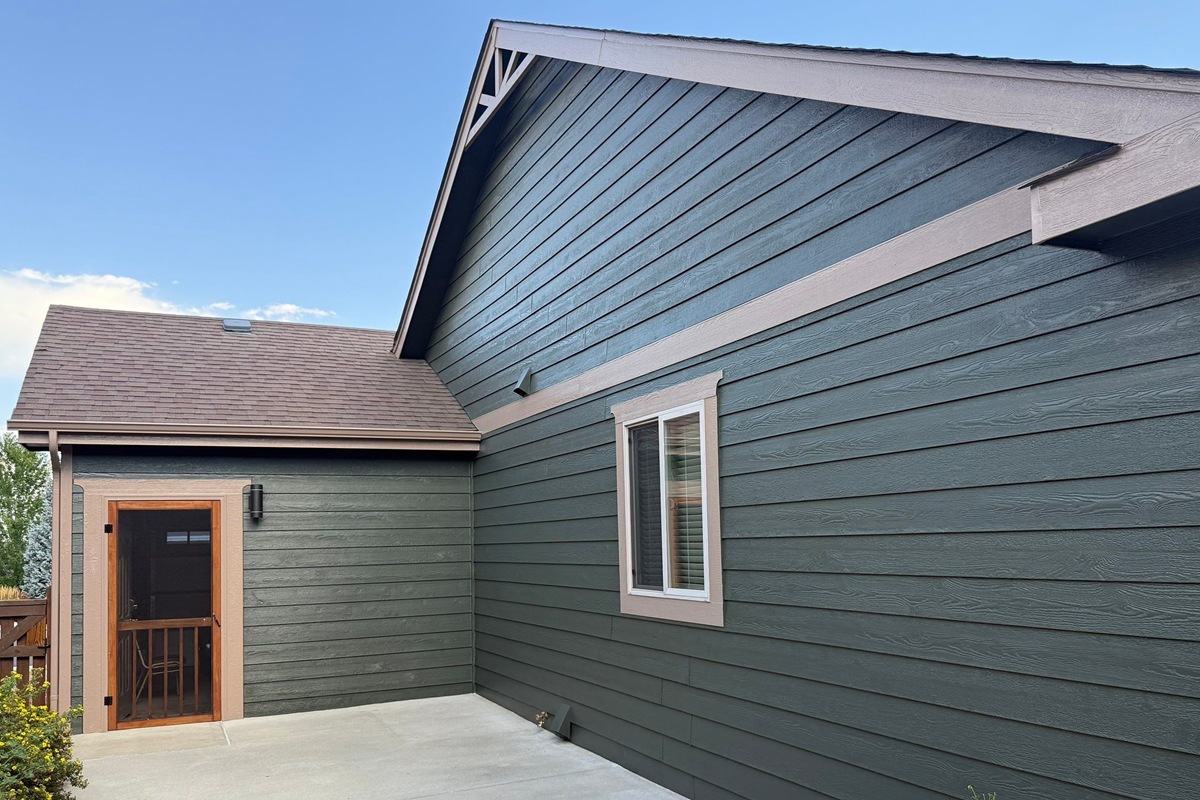
Professional exterior house painters approach surface preparation differently than typical pressure washing.
Instead of simply blasting surfaces with high pressure, professionals focus on controlled cleaning methods designed specifically for paint prep.
Soft Washing Techniques
Many professional crews use soft washing, which relies on:
- Lower water pressure
- Specialized cleaning solutions
- Longer dwell times
This method removes contaminants while protecting siding and trim.
Cleaning Solutions That Kill Mold
Professional cleaning often includes detergents or treatments designed to eliminate:
- Mold
- Mildew
- Algae
- Organic staining
These treatments prevent biological growth from coming back quickly under fresh paint.
Removing Loose Paint
In addition to washing, painters inspect the surface for:
- Peeling paint
- Cracked caulking
- Damaged trim
Loose paint is scraped or sanded before the new coating is applied.
Dry Time Before Painting
Professional crews also allow sufficient drying time after washing. Painting too soon after cleaning can trap moisture under the coating.
This step helps ensure the paint bonds correctly and lasts longer.
Why Prep Matters Even More for Multi-Unit Properties
For property managers overseeing apartment complexes, townhomes, or HOA communities, preparation becomes even more critical.
A failed paint job on a single home is frustrating.
A failed paint job across multiple buildings becomes a major expense.
Proper pressure washing before painting exterior surfaces helps reduce:
- Maintenance complaints
- Frequent repainting cycles
- Budget overruns
- Tenant dissatisfaction
When surfaces are cleaned correctly, paint systems perform as designed and hold up against weather, sun exposure, and seasonal changes.
Signs Your Property Needs Pressure Washing Before Painting
Property managers should consider professional surface prep if they notice:
- Green or black streaks on siding
- Chalky residue when touching painted surfaces
- Flaking or peeling paint
- Visible dirt buildup on walls
- Mildew near shaded areas
Even if the building doesn’t look extremely dirty, invisible contaminants can still affect paint adhesion.
That’s why most reputable painters include washing as a standard part of their preparation process.
The Cost Difference: DIY vs Professional Prep
One reason property managers consider DIY washing is to reduce costs.
However, professional prep often saves money in the long run.
Here’s why:
- Longer Paint Lifespan: Proper cleaning helps paint last years longer, reducing how often buildings must be repainted.
- Reduced Repair Costs: Professional crews avoid damaging siding or trim during washing.
- Better Warranty Protection: Many paint warranties require proper surface preparation before coatings are applied.
If prep isn’t done correctly, warranty coverage may be void.
When DIY Pressure Washing May Be Acceptable
There are situations where maintenance teams can safely pressure wash surfaces.
For example:
- Routine exterior cleaning
- Sidewalk or concrete washing
- Removing surface dirt from durable materials
However, when surfaces are being prepared for painting, the stakes are much higher. At that point, professional prep usually provides better results.
The Bottom Line for Property Managers
Pressure washing before painting exterior surfaces is not just a cosmetic step—it’s a critical part of protecting your investment.
While DIY washing may seem like a quick solution, professional prep ensures that new paint:
- Bonds properly
- Looks better
- Lasts longer
- Requires fewer repairs over time
For property managers responsible for maintaining multiple units or buildings, that reliability matters.
Working with experienced professional exterior house painters ensures that surface preparation is handled correctly from the start.
Ready to Prepare Your Property the Right Way?
If you’re planning an exterior repaint, proper preparation makes all the difference.
At Elements Painting Inc., our team follows a detailed prep process that includes professional cleaning, surface inspection, and proper drying before painting begins. This approach helps ensure your paint job lasts longer and protects your property investment.
If you manage apartments, HOA communities, or multi-unit properties, our experienced painters can help you plan your next exterior project with confidence.
Contact Elements Painting Inc. today at 719-824-4980 to schedule a consultation and learn how professional preparation can improve the results of your next exterior painting project.