
You finally decided to repaint your living room. You picked the perfect color. You even bought the brushes and rollers. Then you stood in the paint aisle, staring at two cans—one labeled “latex” and one labeled “oil-based”—and wondered which one actually belongs on your walls.
Most interior house painters will tell you the answer depends on your specific situation. But here’s the thing: knowing what paint to use on interior walls can save you hours of frustration, hundreds of dollars in redos, and years of regret staring at a finish that chips, yellows, or peels.
This guide breaks down the real differences between latex and oil-based paint so you can make a confident choice for your home.
Key Takeaways:
- Latex paint dries faster, cleans up with water, and works well for most interior walls.
- Oil-based paint creates a harder, more durable finish but takes longer to dry and requires mineral spirits for cleanup.
- High-moisture areas like bathrooms may benefit from oil-based paint’s resistance to humidity.
- Latex paint has lower VOCs (volatile organic compounds), making it safer for indoor air quality.
- The surface you’re painting matters—some trim and cabinets still perform better with oil-based formulas.
- Most professional painters now use latex for 90% of interior wall projects.
What Makes Latex and Oil-Based Paints Different?
The core difference comes down to what holds the paint together.
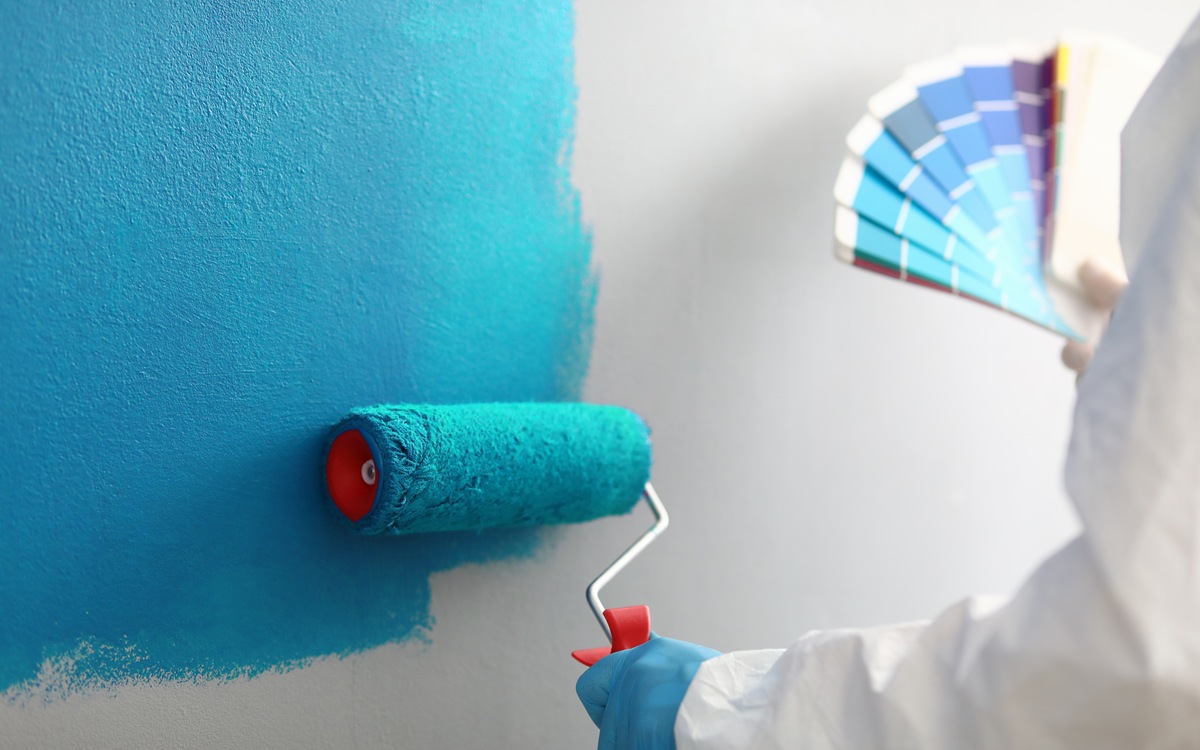
Latex paint uses water as its carrier. The pigments and binders are suspended in water, which evaporates as the paint dries. This is why you can wash your brushes in the sink.
Oil-based paint uses petroleum-based solvents as its carrier. These solvents evaporate more slowly, which gives oil paint its characteristic long drying time. Cleanup requires mineral spirits or paint thinner—not water.
This fundamental difference affects everything from how the paint smells to how long you’ll wait between coats.
Drying Time: Why It Matters More Than You Think
Latex paint dries to the touch in about one hour. You can apply a second coat in two to four hours.
Oil-based paint takes six to eight hours to dry to the touch. Second coats require a full 24 hours.
Why does this matter?
If you’re painting a bedroom, oil-based paint means sleeping somewhere else for at least two nights. Latex lets you finish the job and sleep in your own bed the same day.
For families with kids, pets, or tight schedules, this difference alone often settles the debate.
Durability: The Long Game
Oil-based paint has a reputation for durability, and that reputation is earned—at least in certain applications.
Oil paint cures to a harder finish. It resists scratches and scuffs better than latex. For trim, doors, and cabinets that see constant contact, oil-based formulas hold up longer.
But here’s what many homeowners don’t realize: modern latex paints have closed the durability gap significantly. High-quality latex paints with acrylic resins now perform nearly as well as oil in most wall applications.
The exception? High-traffic areas where walls get touched, bumped, and scraped regularly. Hallways, mudrooms, and kids’ playrooms might benefit from the extra toughness of oil-based paint.
The Yellowing Problem
Oil-based paint yellows over time. This is a chemical reaction that happens as the oil oxidizes—and there’s no way to prevent it completely.
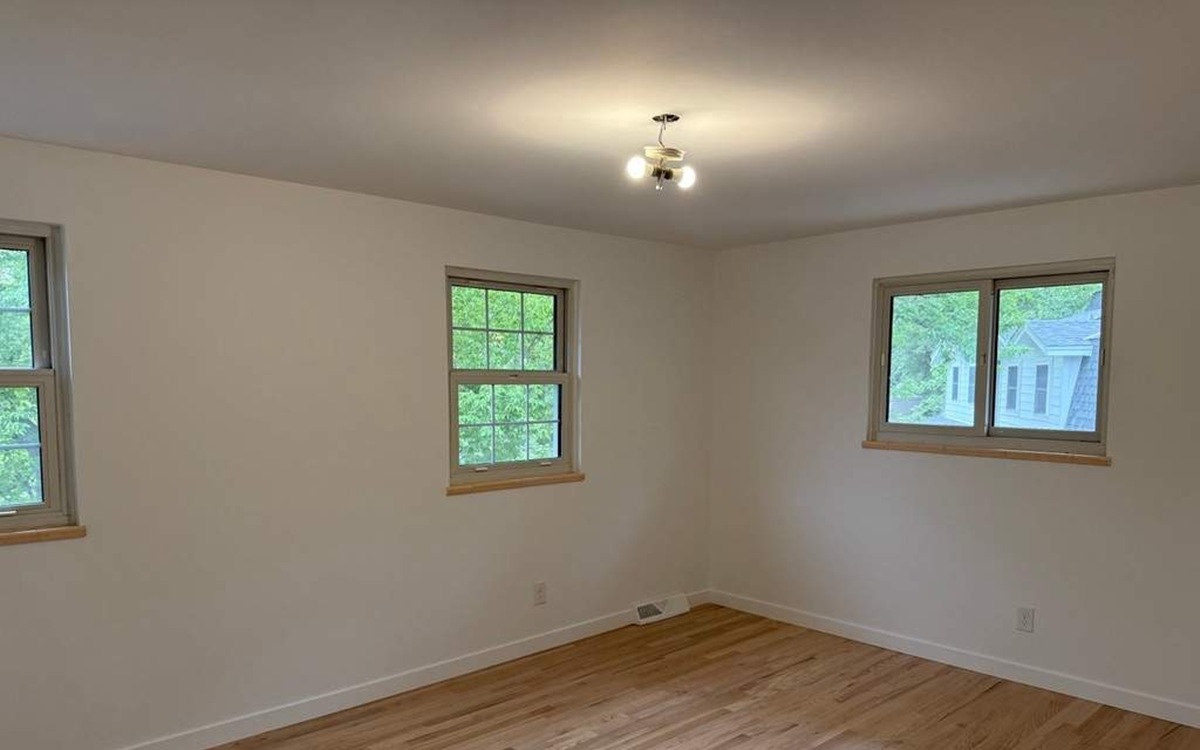
White and light-colored oil paints show this yellowing most dramatically. That bright white you painted your trim? Give it two years, and it’ll have a cream-colored tint.
Latex paint does not yellow. What you see when it dries is what you’ll see in ten years.
For white walls, white trim, and any light-colored space, latex wins this round hands down.
VOCs and Indoor Air Quality
VOCs (volatile organic compounds) are chemicals that evaporate from paint as it dries. They’re responsible for that “fresh paint smell” that gives some people headaches.
Oil-based paints contain significantly higher levels of VOCs. In some states, regulations now restrict or ban certain oil-based paints for interior use because of these emissions.
Latex paint contains far fewer VOCs. Low-VOC and zero-VOC latex options are widely available, making them the safer choice for homes with children, pets, or family members with respiratory sensitivities.
If indoor air quality concerns you, latex is the clear winner.
Application and Coverage
Oil-based paint levels out beautifully. It self-levels as it dries, which means fewer brush strokes and roller marks in the final finish. For a glass-smooth result on trim and doors, many painters still prefer oil.
Latex paint has improved dramatically in this area. Modern formulas level better than the latex paints of twenty years ago. But achieving a truly flawless finish still takes more skill with latex than with oil.
Coverage varies by brand and quality more than by paint type. A premium latex paint covers as well as—or better than—a cheap oil-based paint. Don’t assume oil means better coverage.
Cleanup and Convenience
This is where latex dominates.
Latex paint cleans up with soap and water. Spills wipe up easily. Brushes rinse in the sink. Rollers can be cleaned and reused multiple times.
Oil-based paint requires mineral spirits or paint thinner for cleanup. These solvents are flammable, smelly, and need proper disposal. Many municipalities have specific rules about disposing of paint thinner.
For DIY homeowners, the convenience factor of latex is hard to overstate. For professional crews painting multiple rooms, the time savings of latex cleanup adds up fast.
When Oil-Based Paint Still Makes Sense
Despite latex paint’s advantages, oil-based formulas still have their place:
- Cabinets: Kitchen and bathroom cabinets see heavy use and frequent cleaning. Oil-based paint’s hard finish resists wear better.
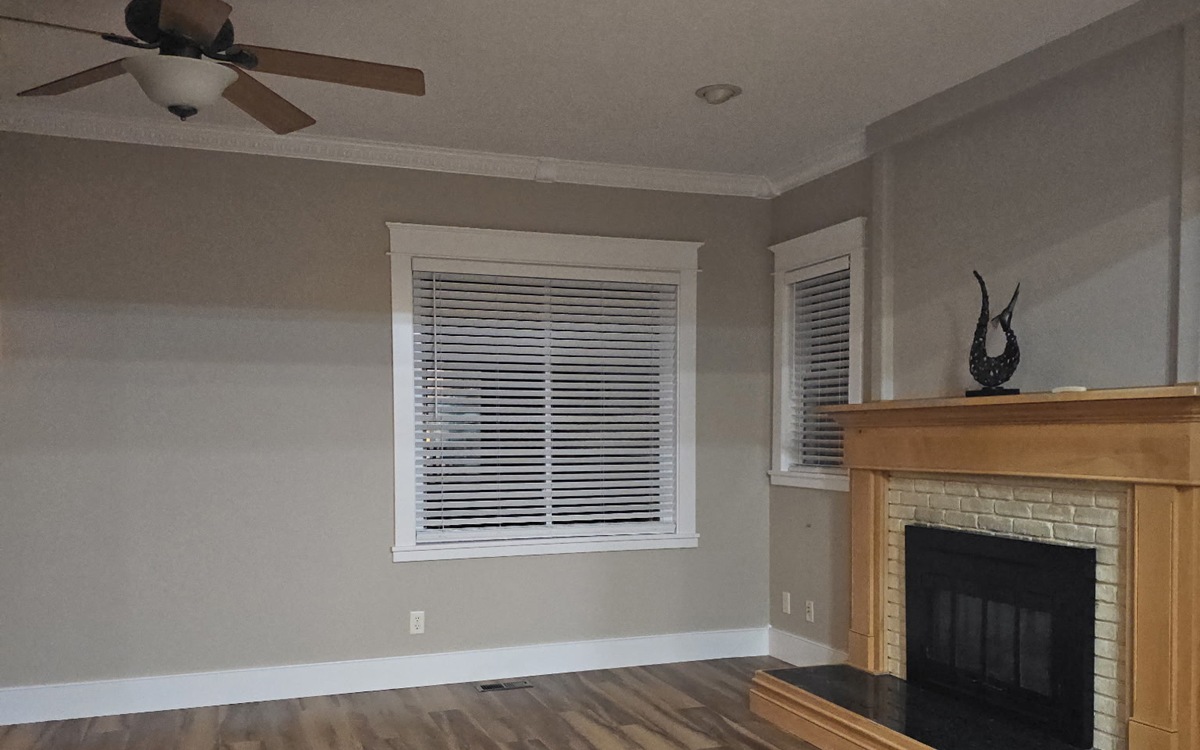
- Trim and molding: Baseboards, door frames, and crown molding benefit from oil’s self-leveling properties and durability.
- Previously painted oil surfaces: Painting latex over oil can cause adhesion problems. If your trim has multiple coats of old oil paint, sticking with oil (or using a bonding primer) prevents peeling.
- Stain blocking: Oil-based primers are still the gold standard for sealing water stains, smoke damage, and tannin bleed from wood.
When Latex Paint Is the Better Choice
For most interior wall painting projects, latex paint is now the preferred choice:
- Living rooms and bedrooms: Low odor, fast drying, and no yellowing make latex ideal for living spaces.
- Ceilings: Latex flat paints hide imperfections well and don’t yellow from heat or sunlight.
- Drywall: Latex adheres well to drywall and drywall primer.
- Bathrooms and kitchens: Modern latex paints with mildew-resistant additives handle moisture well. Satin or semi-gloss sheens wipe clean easily.
- Any room where you want to finish quickly: Same-day recoating means projects finish in half the time.
The Sheen Factor
Both latex and oil-based paints come in various sheens: flat, eggshell, satin, semi-gloss, and high-gloss.
Here’s a quick guide for interior walls:
- Flat/Matte: Hides imperfections but shows scuffs. Best for ceilings and low-traffic rooms.
- Eggshell: Slight sheen, easy to clean. Great for living rooms and bedrooms.
- Satin: More washable than eggshell. Good for hallways, kids’ rooms, and bathrooms.
- Semi-gloss: Durable and moisture-resistant. Ideal for kitchens, bathrooms, and trim.
- High-gloss: Maximum durability and shine. Mostly used for trim, doors, and cabinets.
The sheen you choose affects how your walls look and perform more than whether you use latex or oil.
Cost Comparison
Oil-based paint typically costs more per gallon than comparable latex paint. But the real cost difference shows up in labor and time.
Professional painters charge by the hour or by the project. Oil-based paint’s longer drying time increases labor costs. Cleanup takes longer. The project stretches across more days.
For DIYers, oil-based paint means buying mineral spirits, dedicating more brushes (since cleanup is harder), and spending more weekend hours waiting for paint to dry.
When you factor in all costs, latex usually comes out ahead.
Making Your Final Decision
Still not sure which paint to choose? Ask yourself these questions:
- What am I painting? Walls = latex. Cabinets or trim = consider oil.
- How fast do I need to finish? Tight timeline = latex.
- Is yellowing a concern? Light colors = latex.
- Do I have air quality concerns? Sensitivities or kids = latex.
- What was previously painted on this surface? Match it or use appropriate primer.
For 90% of interior wall painting projects, latex paint is the right choice. It dries fast, cleans up easy, doesn’t yellow, and modern formulas are durable enough for any room in your home.
Get the Finish Your Walls Deserve
Choosing the right paint is just the beginning. The quality of your finished walls depends on proper prep work, the right tools, and skilled application.
If you want results that look professional—without the guesswork, the trial runs, or the weekend spent watching paint dry—Elements Painting Inc. can help. Our team handles everything from color consultation to final cleanup, using premium paints matched to your specific walls and lifestyle.
Call 719-824-4980 today to schedule your free estimate.